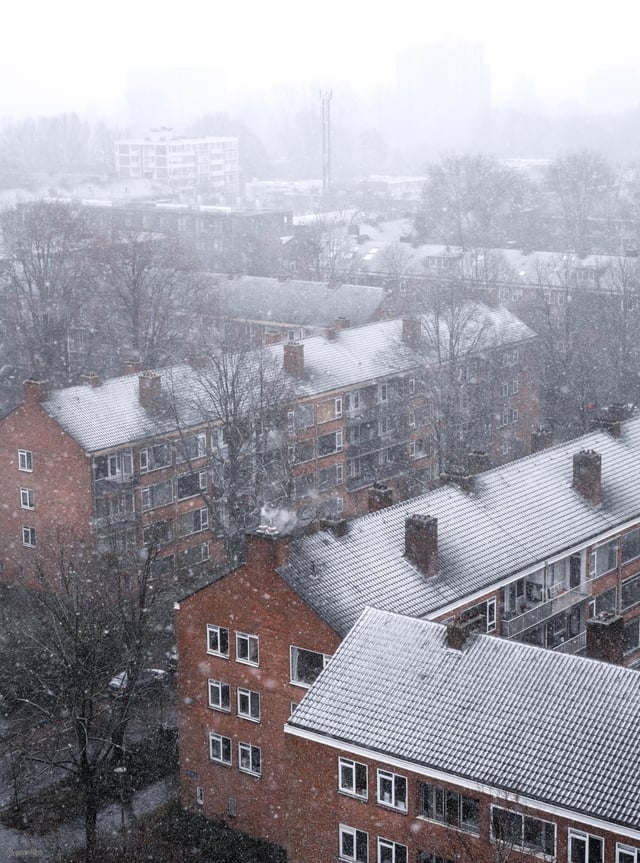
Is March Really Spring? Decoding Variable Mountain Weather
As the calendar flips to March, a collective sigh of relief often sweeps across the Northern Hemisphere. Visions of budding trees, longer days, and the gentle warmth of the sun dominate our thoughts, heralding the arrival of spring. Yet, for those living near or planning a visit to mountainous regions, the promise of lenteweer maart – or truly consistent spring weather in March – often remains just that: a promise. March in the mountains is a notoriously fickle month, a captivating dance between winter's lingering chill and spring's eager emergence. It's a time when you can experience four seasons in a single day, where a morning bike ride under a clear, warming sky can quickly turn into an afternoon trek through unexpected snow flurries.
This article delves into the intriguing paradox of March mountain weather, exploring why this month is so unpredictable, what to expect, and crucially, how to prepare for its delightful yet challenging variability. We'll uncover the secrets to embracing the beauty of the mountains during this transitional period, ensuring your adventures are memorable for all the right reasons.
The Mountain March Paradox: Spring's Promise, Winter's Grip
The saying goes that March "comes in like a lion and goes out like a lamb," but in the mountains, it often feels like the lion simply decides to stay for the whole month, occasionally napping. This extreme variability isn't merely anecdotal; it's rooted in fundamental meteorological phenomena that define transitional seasons, especially at higher elevations. Mountains act as colossal weather factories, influencing everything from temperature to precipitation.
- Altitude's Amplification: For every 1,000 feet of elevation gain, the temperature typically drops by about 3.5 degrees Fahrenheit. This means while the valleys might be experiencing pleasant lenteweer maart, mountain peaks can still be well below freezing.
- Colliding Air Masses: March is a battleground where cold, dry air masses from the Arctic or continental interiors clash with warmer, moisture-laden systems pushing north from the subtropics. Mountains force these air masses upwards, cooling them rapidly and leading to heavy precipitation – often as snow, even when it's raining in lower elevations.
- Solar Angle vs. Snowpack: While the sun's angle increases, bringing more warmth, existing snowpacks reflect a significant portion of this solar radiation, slowing down the melting process and keeping mountain temperatures cooler. A sunny day can feel warm, but step into the shade or wait for sunset, and the cold can return with surprising speed.
- Microclimates: Mountains are masters of microclimates. One side of a ridge might be sunny and sheltered, while the other is windy and experiencing a whiteout. This localized variation adds another layer of unpredictability to March mountain forecasts.
Understanding these dynamics is key to appreciating why March in the mountains defies simple categorization. It's not just "spring"; it's a complex interplay of forces that demand respect and preparation from anyone venturing outdoors.
Decoding "Lenteweer Maart": More Than Just Sunshine
When people dream of lenteweer maart in the mountains, they often envision clear blue skies, chirping birds, and the first blush of green on the trees. And sometimes, March delivers exactly that. Days can be gloriously warm, perfect for shed-ding layers and enjoying the crisp, clean air. These are the days that make you fall in love with mountain spring.
However, the reality is frequently more nuanced. "Spring weather in March" in a mountain context often includes:
- Rapid Temperature Swings: A 20-degree Fahrenheit temperature drop or rise within a few hours is not uncommon. Mornings can be icy, mid-day surprisingly warm, and evenings quickly plunge back into freezing.
- Mixed Precipitation: Expect rain, sleet, hail, and snow – sometimes all on the same day. What starts as a gentle rain in the valley can turn into a heavy snowfall just a few hundred feet higher.
- Gusty Winds: As cold and warm air masses interact, strong winds can sweep through mountain passes and across peaks, significantly lowering the perceived temperature (wind chill) and making conditions feel much harsher.
- Variable Trail Conditions: Trails can range from dry and dusty to muddy, icy, or even snow-covered, sometimes within the same route. Sun-exposed paths might melt quickly, while shaded areas retain ice for weeks.
This unpredictability means that while the spirit of spring is undoubtedly in the air, winter's grip is still very much present, making March Mountain Weather: From Spring Warmth to Winter Chill a truly apt description. It's a time of contrast, where the vibrant promise of new life coexists with the stark beauty of winter's last stand.
Preparing for Anything: Your Essential Mountain Packing Guide
Given March's notorious variability, the golden rule for mountain adventures is "be prepared for anything." This isn't just a cliché; it's a necessity for comfort and safety. As the forum post about Asheville suggests, you need "many different kinds of clothes." Here’s a detailed approach to your packing strategy:
Layering is Your Best Friend
The key to managing fluctuating temperatures is a versatile layering system:
- Base Layer: Worn directly against the skin, this layer wicks away sweat to keep you dry. Opt for synthetic materials (polyester, nylon) or natural fibers like merino wool, which also offers excellent warmth-to-weight ratio and odor resistance. Avoid cotton, as it absorbs moisture and stays wet, leading to chilling.
- Mid Layer (Insulation): This layer provides warmth. Fleece jackets (various weights), lightweight down or synthetic insulated jackets, or even heavier merino wool sweaters work well. You might carry a couple of options depending on how cold it's expected to get.
- Outer Layer (Shell): Your protection against wind, rain, and snow. A waterproof and windproof jacket is essential. Look for features like adjustable hoods, zippered vents for breathability, and taped seams. A pair of waterproof pants can also be a lifesaver, especially if precipitation is likely.
Remember to pack enough layers to adjust from freezing conditions to mild temperatures throughout the day. It's always better to have an extra layer you don't use than to be caught unprepared and cold.
Beyond Clothing: Essential Gear
- Footwear: Waterproof hiking boots with good ankle support are crucial. Bring extra socks (wool or synthetic). For mountain bikers, consider waterproof cycling shoes or shoe covers.
- Headwear and Gloves: A warm hat (beanie), a brimmed hat for sun protection, and a neck gaiter are highly recommended. Bring at least two pairs of gloves: a lightweight pair for mild conditions and a warmer, waterproof pair for colder, wetter weather.
- Navigation: Always carry a map, compass, and a fully charged phone with GPS capabilities (and a portable charger). Know how to use them, especially given that weather can obscure trails.
- Safety & First Aid: A comprehensive first-aid kit, emergency shelter (like a lightweight tarp or bivy sack), a headlamp, and a whistle are non-negotiable.
- Hydration and Nutrition: Pack plenty of water and calorie-dense snacks. Cold weather can deceptively increase your hydration needs.
For more detailed insights on how to outfit yourself, check out Unpredictable March Weather: Your Guide to Mountain Preparedness.
Navigating Mountain Activities in March
March offers a unique window for mountain activities, blending the solitude of winter with the emerging vibrancy of spring. From mountain biking to hiking, each activity requires specific considerations:
- Mountain Biking: As suggested by the forum, bring your bikes! March can offer incredible riding days. However, be prepared for muddy trails, especially in shaded areas or after rainfall. Lower elevations might be clear, while higher trails are still snowy or icy. Check local trail conditions before heading out, and consider a bike with good mud clearance and grippy tires.
- Hiking & Backpacking: March hikes can be breathtaking, with fewer crowds and unique photographic opportunities. Be ready for varied trail surfaces (mud, ice, snow) and rapidly changing weather. Gaiters can keep snow and mud out of your boots. Consider trekking poles for stability on slippery terrain.
- Photography & Sightseeing: The dramatic contrasts of March – snow-capped peaks under a blue sky, misty valleys, and early spring blooms – offer incredible photo opportunities. Just ensure your gear is protected from moisture and extreme temperatures.
- Wildlife Viewing: As animals emerge from hibernation or become more active, March can be a fantastic time for wildlife spotting. Be respectful of their space and observe from a distance.
Always check the weather forecast for your specific location and elevation, paying attention to wind chill and precipitation type. Don't hesitate to adjust your plans if conditions are too severe. The mountains will always be there, but your safety is paramount.
Conclusion
March in the mountains is a season unto itself – a captivating, often challenging, but ultimately rewarding experience. While the dream of consistent lenteweer maart might not always materialize, the month offers a unique blend of nature's raw power and its burgeoning beauty. From the lingering majesty of winter snows to the first hopeful signs of spring, this transitional period demands respect, adaptability, and thorough preparation. By understanding the meteorological forces at play and equipping yourself with the right gear and mindset, you can not only navigate but truly thrive amidst the variable mountain weather. So, embrace the unpredictability, pack smart, and get ready to discover the unparalleled charm of the mountains as they awaken from their winter slumber.